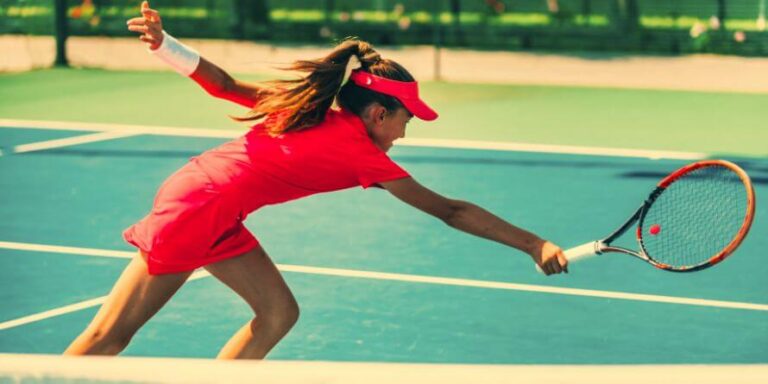

Choosing the best tennis equipment for teenagers can make learning the game easier, improve comfort on the court, and help young players develop their skills. Whether a teenager is starting tennis for the first time, playing for a high school team, or preparing for junior tournaments, having the right equipment matters.
However, buying every tennis accessory on the market isn’t necessary. Most teenage players can get started with a suitable tennis racket, supportive court shoes, comfortable athletic clothing, tennis balls, and a water bottle.
As their skills improve, they may benefit from additional accessories, such as a tennis bag, overgrips, replacement strings, sweatbands, and training equipment.
In this guide, we’ll explore the best tennis equipment for teenagers, explain how to choose the right gear for different skill levels, and share practical tips for parents who want to get the best value for their money.
Quick Answer: What Tennis Equipment Do Teenagers Need?
The essential tennis equipment for most teenagers includes:
- Tennis racket: A comfortable racket that matches the player’s height, strength, and skill level.
- Tennis shoes: Court-specific shoes that provide appropriate traction and lateral support.
- Tennis balls: Standard yellow balls for most teenage players, although beginners may benefit from lower-compression balls.
- Athletic clothing: Lightweight, breathable shirts, shorts, skirts, or other comfortable sportswear.
- Tennis bag: A practical way to carry and protect equipment.
- Water bottle: Helps teenagers stay hydrated during practice and matches.
- Overgrips and sweatbands: Useful accessories for managing sweat and maintaining a comfortable racket grip.
- Sun protection: Sunscreen, a hat or visor, and suitable sunglasses for outdoor sessions.
The best starting point is to purchase the essentials first and add specialized equipment as the player develops.
1. Tennis Racket: The Most Important Piece of Equipment
A tennis racket is the first item to consider when shopping for teenage tennis equipment. The right racket helps players develop consistent strokes while providing a comfortable balance of power, control, and maneuverability.
A racket that is too heavy or difficult to control can make learning frustrating. On the other hand, a racket that suits the player’s physical development can help them practice more comfortably.
How to Choose the Best Tennis Racket for Teenagers
Consider these four factors before purchasing a racket.
Racket length
Many teenagers use a standard 27-inch tennis racket, although some younger or smaller players may need a 26-inch model.
Age is only a starting point. Height, strength, coordination, and playing ability should also influence the decision.
The United States Tennis Association guides on selecting an appropriately sized racket. Its offers emphasize choosing equipment that the player can swing comfortably and control USTA.
Racket weight
Lighter rackets are generally easier to maneuver, while heavier rackets can provide additional stability when the player has sufficient strength and technique to handle them.
Teenage beginners should prioritize comfortable handling rather than choosing the heaviest racket available.
Head size
The head size determines the area covered by the strings.
A racket with a larger head generally offers a bigger sweet spot, making it more forgiving when the ball doesn’t strike the center of the strings. This can be particularly useful for beginners.
Grip size
The handle should fit comfortably in the player’s hand. An incorrectly sized grip may make the racket difficult to control.
If possible, visit a tennis shop or ask a coach to help determine the appropriate grip size.
Recommended Racket Types by Playing Level
| Playing level | Racket characteristics to consider | Main benefit |
|---|---|---|
| Beginner | Comfortable, forgiving, easy to swing | Supports learning basic strokes |
| Intermediate | Balanced weight and control | Helps develop consistency |
| Advanced junior | Performance-oriented frame suited to technique | Supports more precise shot-making |
| Competitive high school player | Racket selected for individual playing
style |
Supports match preparation |
Should Teenagers Use Junior or Adult Tennis Rackets?
Some teenagers still benefit from junior rackets, while others are ready for standard adult-length models. A standard 27-inch racket is a common choice for teenagers who can comfortably manage its length and weight.
However, purchasing an adult racket simply because a player has reached a particular birthday isn’t always the best decision. Whenever possible, have the player test a racket before buying it.
Buying tip: Consider borrowing a racket from a coach for a lesson or two before committing to a purchase. This can help identify a suitable size, weight, and grip.
2. Tennis Shoes: Essential for Court Movement and Stability
Tennis involves frequent changes of direction, short sprints, lateral movements, and sudden stops. Ordinary running shoes aren’t necessarily designed for these demands.
For teenagers who practice regularly, investing in suitable tennis shoes is one of the most important equipment decisions.
What Makes a Good Pair of Tennis Shoes?
Look for these features when choosing tennis shoes for teenagers.
- Lateral support: Helps the foot remain stable during side-to-side movement.
- Court-appropriate traction: Provides grip suited to the playing surface.
- Comfortable cushioning: Helps improve comfort during repeated movement.
- Secure fit: Reduces unnecessary movement inside the shoe.
- Durable outsole: Important for players who practice several times per week.
The best outsole depends on whether the player uses hard courts, clay courts, or another surface. Check the manufacturer’s recommendations before buying.
Tennis Shoes for Teenagers by Court Surface
| Court surface | What to look for |
|---|---|
| Hard court | Durable outsole, cushioning, and lateral support |
| Clay court | Outsole designed to provide suitable traction on loose clay |
| Grass court | Shoes specifically appropriate for grass-court conditions |
| Indoor court | Non-marking soles when required by the facility |
Teenagers should try on shoes with their usual tennis socks and check that their toes have sufficient room without the heel slipping.
Important: Don’t assume that expensive shoes are automatically the best. A comfortable, well-fitting pair designed for the player’s court surface is more useful than a premium model that fits poorly.
3. Tennis Balls: Choose the Right Type for Practice
Tennis balls are another essential item for teenagers who want to practice outside organized lessons.
Although standard yellow tennis balls are commonly used by teenage players, some beginners may find lower-compression balls easier to control.
Lower-compression balls generally travel more slowly and bounce lower than standard yellow balls. They can help players develop their timing and rallying skills.
Which Tennis Balls Should Teenagers Use?
Standard yellow tennis balls
These are suitable for most teenagers learning or playing conventional tennis on a full-size court.
Green-dot tennis balls
These have reduced compression compared with standard yellow balls. They can be useful for players developing their strokes or transitioning toward regular tennis.
Orange and red tennis balls
These are primarily used in earlier stages of junior tennis. However, they can also be useful for certain beginner drills and coordination exercises.
The appropriate ball depends on the player’s experience, lesson structure, and coach’s recommendations. The USTA explains how modified balls can help developing players learn the game.
How Many Tennis Balls Should You Buy?
For casual practice, a can of three balls is a reasonable starting point.
Players who practice frequently may prefer a larger supply so they can work on serving, rallying, and other drills without repeatedly collecting balls.
Check the balls regularly and replace those that have become excessively worn or no longer bounce consistently.
4. Tennis Clothing: Comfortable and Breathable Sportswear
Teenagers need clothing that allows them to move freely during practice and matches.
There is no need to buy a complete professional tennis outfit before starting. Comfortable athletic clothing is usually sufficient, provided it meets the rules of the player’s school, club, or tournament.
Best Tennis Clothing for Teenage Boys and Girls
Useful clothing options include:
- Lightweight athletic T-shirts.
- Moisture-wicking sports shirts.
- Athletic shorts with pockets.
- Tennis skirts or shorts designed for movement.
- Comfortable sports underwear.
- Lightweight athletic socks.
- A warm-up jacket or tracksuit for cooler weather.
Moisture-wicking fabrics help move perspiration away from the skin, which can improve comfort during long sessions. For outdoor tennis, consider clothing that provides suitable sun coverage, particularly during summer practice.
What Should Teenagers Wear to Tennis Practice?
For a typical practice session, a teenager can start with:
- A breathable athletic shirt.
- Comfortable tennis shorts or a tennis skirt.
- Tennis-specific shoes.
- Athletic socks.
- A hat or visor for outdoor play, if comfortable and appropriate.
The priority should be freedom of movement, comfort, and suitability for the conditions.
5. Tennis Bag: Keep Equipment Organized
A tennis bag makes it easier for teenagers to carry their racket, shoes, balls, clothing, and accessories to school, lessons, or tournaments.
It isn’t essential for someone attending their first lesson, but it becomes increasingly useful as practice becomes more frequent.
Types of Tennis Bags for Teenagers
| Bag type | Best suited for | Advantages |
|---|---|---|
| Backpack | Beginners and casual players | Compact and easy to carry |
| Tennis racket backpack | School and regular practice | Separate racket storage and accessory space |
| Three-racket bag | Frequent players | Room for multiple rackets and accessories |
| Larger tournament bag | Competitive junior players | More space for clothing, shoes, and equipment |
What Features Should You Look For?
Consider the following when choosing a tennis bag:
- Enough space for the player’s racket.
- Comfortable, adjustable shoulder straps.
- Separate compartments for shoes or damp clothing.
- Pockets for balls, grips, and personal items.
- Durable zippers and materials.
- A manageable size for the teenager carrying it.
Beginners generally don’t need a large tournament bag. A basic backpack with suitable racket storage may be sufficient.
Buying tip: Choose a bag based on the equipment the teenager actually carries, rather than purchasing the largest available option.
6. Tennis Overgrips: Improve Comfort and Handle Sweat
An overgrip is a thin material wrapped around the existing grip of a tennis racket. It can improve the feel of the handle, help absorb sweat, and provide additional traction during play.
Overgrips are particularly useful for teenagers who practice regularly or frequently need to wipe perspiration from their hands.
Which Overgrip Should a Teenager Choose?
There are two common options.
Absorbent overgrips
These are designed to absorb perspiration and can be useful for players whose hands become sweaty during practice.
Tacky overgrips
These provide a slightly sticky feel that some players prefer for a more secure grip. The best option depends on personal preference and playing conditions.
When Should Tennis Overgrips Be Replaced?
Replace an overgrip when it becomes slippery, excessively dirty, torn, or noticeably less comfortable. A fresh overgrip can improve the feel of the racket handle without requiring the player to purchase a completely new racket.
However, remember that an overgrip doesn’t correct an incorrectly sized handle. The underlying grip should still fit the player’s hand appropriately.
7. Tennis Strings and Vibration Dampeners
Strings and vibration dampeners are additional pieces of equipment that can help teenagers customize their rackets. They are more relevant to players who already have a suitable racket and want to refine how it feels during play.
Choosing Tennis Strings
Tennis rackets need strings that suit the player’s ability, preferences, and playing frequency.
Common string types include:
- Synthetic gut: A versatile option that can suit recreational players.
- Multifilament: Often chosen for comfort.
- Polyester: Frequently used by experienced players seeking control and spin, but it can feel firmer than some alternatives.
No string type is ideal for every teenager.
For younger players and beginners, comfort should be a priority. More experienced junior competitors may benefit from discussing string type and tension with a qualified coach or racket stringer.
What Is a Vibration Dampener?
A vibration dampener is a small accessory fitted near the bottom of the racket’s string bed. Some players like the sound and feel it produces when hitting the ball.
However, it isn’t an essential purchase, and players shouldn’t assume that it prevents tennis-related injuries. For beginners, buying appropriate shoes and a suitable racket is generally a higher priority.
8. Water Bottle and Hydration Accessories
A water bottle is an inexpensive but important item for teenage tennis players. Practice sessions can involve sustained movement, particularly during hot weather or competitive matches.
Teenagers should have access to fluids and take appropriate breaks.
What Type of Water Bottle Is Best for Tennis?
Consider a bottle that is:
- Large enough for the expected session.
- Easy to open and close between drills.
- Leak-resistant.
- Simple to clean.
- Durable enough for regular use.
A reusable bottle is usually a practical choice.
For longer sessions, players may need to refill their bottles or bring additional fluids, depending on the weather, session intensity, and individual needs.
Should Teenagers Use Sports Drinks?
Water is generally suitable for many ordinary tennis practices.
During prolonged, intense activity, especially in hot conditions, a sports drink may be useful for some players. Needs vary according to exercise duration, sweat losses, and individual circumstances.
The important thing is to avoid starting a session dehydrated and to follow the coach’s instructions about breaks and hydration. The USTA provides additional guidance on hydration for tennis players.
9. Sweatbands, Towels, and Sun Protection
Small accessories can make tennis practice more comfortable, particularly during warm weather. Although these items aren’t all necessary for beginners, they can be useful additions to a teenager’s tennis bag.
Sweatbands and Towels
Wristbands can help absorb perspiration before it reaches the hands. A small towel is also useful for wiping sweat from the face, neck, and hands between games. These accessories are inexpensive and easy to carry.
Sunscreen, Hats, and Visors
Teenagers who play outdoor tennis should consider sun protection.
Useful items include:
- Broad-spectrum sunscreen with SPF 30 or higher.
- A comfortable hat or visor.
- Sunglasses designed to block UV radiation.
- Lightweight clothing that provides suitable coverage.
Follow sunscreen label instructions and reapply as directed, especially after heavy sweating.
The USTA recommends regular sun protection for tennis players because outdoor sessions can expose them to ultraviolet radiation even when conditions don’t feel particularly hot.
10. Tennis Training Equipment for Teenagers
Teenagers who want to improve their game can add a few training tools to their equipment collection.
However, expensive training equipment isn’t necessary for developing basic tennis skills. Consistent practice, appropriate instruction, and regular match experience are more important.
Useful Tennis Training Accessories
Practice cones
Cones can mark movement patterns and targets for footwork drills.
Agility ladder
An agility ladder can be used for coordination and footwork exercises away from the court.
Ball hopper
A ball hopper makes it easier to collect and organize tennis balls during repeated serving or groundstroke drills.
Training targets
Targets can help players practice accuracy when hitting groundstrokes and serves.
Portable rebound net
A rebound net may be useful when a suitable court isn’t available, although it doesn’t replace every aspect of practice with a partner.
Which Training Equipment Should Beginners Buy First?
Beginners should start with their racket, court shoes, balls, and comfortable clothing. Once they practice consistently, a few inexpensive cones or a suitable ball collection tool may be worthwhile.
Before buying additional equipment, ask the coach which drills would best support the player’s current goals.
Best Tennis Equipment for Teenagers by Skill Level
Not every teenage tennis player needs the same equipment. A beginner who plays once a week has different requirements from a high school player who practices regularly and enters tournaments.
Use the following guide to prioritize purchases.
| Equipment | Beginner | Intermediate | Competitive junior |
|---|---|---|---|
| Suitable tennis racket | Essential | Essential | Essential |
| Tennis shoes | Essential | Essential | Essential |
| Tennis balls | Essential for independent practice | Essential for practice | Essential |
| Athletic clothing | Essential | Essential | Essential |
| Water bottle | Essential | Essential | Essential |
| Tennis bag | Optional | Recommended | Recommended |
| Overgrips | Optional | Recommended | Recommended |
| Replacement strings | As needed | Useful | Often important |
| Sweatbands and towel | Optional | Useful | Useful |
| Sun protection | Essential for outdoor sessions | Essential for outdoor sessions | Essential for outdoor sessions |
| Training cones | Optional | Useful | Useful |
These are general recommendations. Coaching requirements, playing frequency, local weather, and tournament rules may affect what a player needs.
How to Choose the Best Tennis Equipment for Teenagers on a Budget
Buying tennis equipment doesn’t have to be expensive.
Parents can save money by focusing on essential equipment first and delaying optional purchases until the teenager develops a consistent interest in the sport.
1. Set a Budget Before Shopping
Decide how much you can reasonably spend on the initial equipment. Prioritize a suitable racket and court shoes. Add balls, clothing, and a water bottle according to what the player already owns.
2. Borrow a Racket Before Buying
Some tennis clubs and coaches provide rackets for beginners. Borrowing one can help a teenager discover whether they enjoy the sport and learn which racket characteristics feel comfortable.
3. Compare Equipment Features
Don’t choose equipment based only on brand names or professional endorsements. Compare racket weight, grip size, shoe fit, durability, and intended use.
For example, a comfortable beginner racket may be a better purchase than an expensive performance racket designed for an advanced player.
4. Look for Complete Starter Sets
Some beginner packages include a racket, balls, and a carrying case.
These sets can be convenient, but check the racket size and quality before buying. A package isn’t good value if the racket is unsuitable for the player.
5. Buy Optional Accessories Gradually
Overgrips, dampeners, ball hoppers, and specialized training aids can wait until the player knows which accessories are useful.
Money-saving tip: Ask a coach to check the racket’s size and condition before replacing it. An older racket may still be perfectly suitable if it fits the player and is in good working order.
Common Mistakes to Avoid When Buying Teenage Tennis Equipment
Choosing the wrong equipment can waste money and make practice less comfortable. Avoid these common mistakes.
Buying a Racket Based Only on Age
Two teenagers of the same age may have different heights, strengths, and skill levels. Choose a racket based on comfortable handling, appropriate sizing, and playing ability.
Choosing Running Shoes for Every Court
Running shoes aren’t necessarily designed for the lateral movement required in tennis. Look for shoes intended for tennis or appropriate court sports, and check that they suit the playing surface.
Buying Professional Equipment Too Early
Advanced rackets and specialized accessories may be unnecessary for a beginner. Start with comfortable, reliable equipment and upgrade when the player’s skills and needs justify it.
Ignoring Grip Size
An incorrectly sized grip may affect comfort and handling. Ask a knowledgeable retailer or coach to help select a suitable size.
Purchasing Too Many Accessories
A large tennis bag full of gadgets isn’t necessary to learn the game. Focus on the items that directly support safe, comfortable practice.
Forgetting Sun Protection and Hydration
Outdoor tennis can expose teenagers to heat and sunlight. Pack water and suitable sun protection, and take appropriate breaks during practice.
Frequently Asked Questions About the Best Tennis Equipment for Teenagers
1. What tennis equipment does a teenager need to start playing?
A teenager generally needs a suitable tennis racket, tennis shoes, comfortable athletic clothing, tennis balls for practice, and a water bottle. Sunscreen and a hat or visor are useful for outdoor sessions.
A tennis bag and accessories such as overgrips can be added later. Beginners should check whether their coach provides rackets and balls before buying their own equipment.
2. What is the best tennis racket size for a 13-year-old?
Many 13-year-olds can use a standard 27-inch tennis racket, but the correct choice depends on height, strength, coordination, and playing experience.
A smaller or lighter racket may be more comfortable for some players. Whenever possible, have a coach or tennis retailer assess the fit before purchasing.
3. What is the best tennis racket for teenage beginners?
A good beginner tennis racket is comfortable to swing, appropriately sized, and forgiving when the ball doesn’t hit the center of the strings.
A larger head can provide a bigger sweet spot, while manageable weight makes the racket easier to maneuver. Beginners should prioritize comfort and control rather than buying a professional model.
4. Are junior tennis rackets suitable for teenagers?
Some junior rackets are suitable for younger or smaller teenagers, particularly those who need a shorter or lighter frame.
However, many teenagers are ready for standard-length rackets. The decision should depend on the player’s physical development and ability to control the racket rather than age alone.
5. Do teenagers need special tennis shoes?
Teenagers who play regularly should consider tennis-specific shoes designed for court movement and lateral stability.
The right shoe depends on the playing surface. Hard-court shoes, clay-court shoes, and other court footwear can have different outsole designs.
Comfort, proper fit, and suitable traction should take priority over appearance or brand.
6. Which tennis balls are best for teenagers?
Standard yellow tennis balls are appropriate for many teenagers who play on full-size courts.
However, beginners may benefit from green-dot or other lower-compression balls if their coach recommends them. These balls can move more slowly and bounce lower, making rallies easier to develop.
The best choice depends on experience, practice objectives, and the type of tennis being played.
7. How much should parents spend on tennis equipment for teenagers?
The cost depends on the quality and quantity of equipment purchased. Parents can begin with a basic racket, suitable shoes, comfortable clothing, balls, and a water bottle.
Optional accessories can be added as needed. Rather than setting a fixed budget for every teenager, compare current prices and prioritize equipment that fits properly and will withstand regular use.
8. What tennis accessories are useful for high school players?
Useful accessories include a tennis bag, overgrips, a towel, sweatbands, a water bottle, sunscreen, and replacement strings when necessary.
Players who practice frequently may also benefit from a ball hopper or training cones. Check the school’s equipment requirements before purchasing additional items.
9. Should teenagers buy an expensive tennis racket?
Not necessarily. An expensive racket isn’t automatically better for a teenager. Beginners usually benefit more from a comfortable, manageable racket than from a professional model with specifications they cannot yet use effectively.
More experienced players may benefit from a performance racket selected with guidance from a coach or qualified racket specialist.
10. What is the best way to maintain tennis equipment?
Clean the racket and handle regularly, replace worn overgrips, and inspect the frame and strings for damage.
Allow damp clothing and shoes to dry before storing them in a bag. Keep tennis balls and accessories organized, and replace equipment when wear affects its performance or safety.
Regular care can help extend the life of tennis equipment and keep it ready for practice.
Final Thoughts
The best tennis equipment for teenagers is equipment that fits the player, supports their current skill level, and makes regular practice comfortable.
Start with the essentials: a suitable racket, court shoes, tennis balls, athletic clothing, and a water bottle. Add a tennis bag, overgrips, sweatbands, and training accessories as the player becomes more experienced.
Parents should avoid buying equipment based only on age, brand popularity, or professional endorsements. When in doubt, ask a tennis coach to help select the right racket and footwear.
With the right equipment and consistent practice, teenagers can build confidence, develop their tennis skills, and enjoy the sport for years to come.
Ready to get started? Make a checklist of the essential equipment, compare suitable options, and choose gear that matches the teenager’s needs and budget.